


-

Add: HeBei ShengShi HongBang Cellulose Technology CO.,LTD.
-

Email
13180486930@163.com -

CONTACT US
+86 13180486930

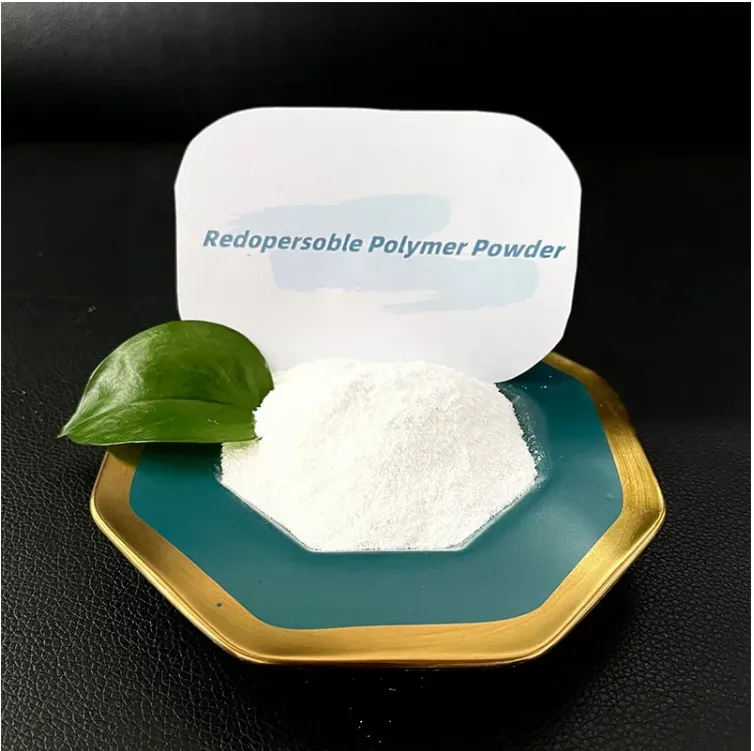

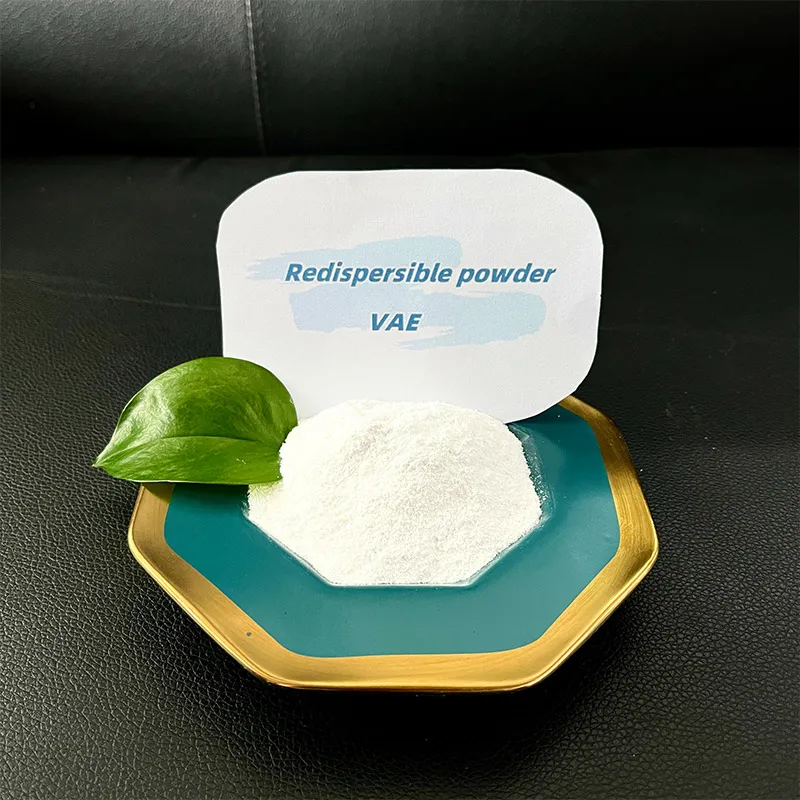
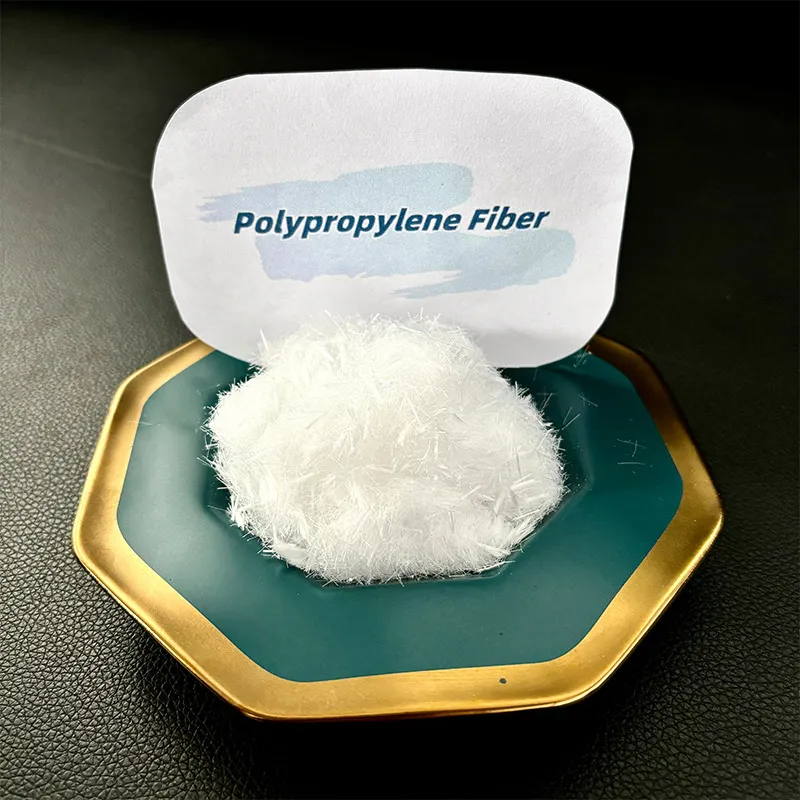


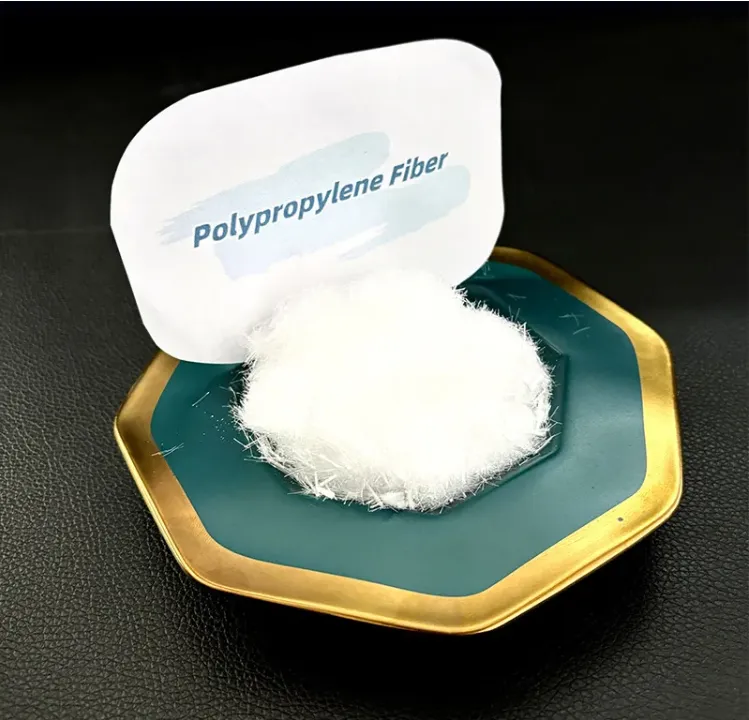
The Use of Polypropylene Fibre in Concrete Enhancing Durability and Performance Concrete is one of the most widely used construction materials in the world, renowned for its strength and durability. However, traditional concrete has inherent limitations, such as brittleness and susceptibility to cracking. To address these weaknesses, engineers and researchers have explored various methods of enhancing concrete's performance, one of which is the incorporation of polypropylene fibres. This article delves into the benefits of polypropylene fibre concrete, its applications, and its role in modern construction practices. Understanding Polypropylene Fibres Polypropylene is a thermoplastic polymer often used in a variety of applications, including packaging, textiles, and automotive components. When used as a reinforcement material in concrete, polypropylene fibres help improve the material's overall properties. These fibres are typically available in lengths ranging from 6 mm to 19 mm, depending on the specific application. Their lightweight and durable nature contribute significantly to enhancing the performance of concrete. Benefits of Polypropylene Fibre Concrete 1. Crack Control One of the most significant advantages of incorporating polypropylene fibres into concrete is their ability to control cracking. Traditional concrete can develop micro-cracks due to shrinkage, thermal changes, and stress loads. Polypropylene fibres help to inhibit the growth of these cracks by redistributing stresses within the concrete matrix. This results in improved crack resistance, particularly in thin slabs and surfaces exposed to environmental conditions. 2. Improved Impact Resistance Polypropylene fibre-reinforced concrete exhibits enhanced impact resistance compared to conventional concrete. The presence of fibres helps to absorb and dissipate energy, making the material less prone to failure under sudden loads. This property is particularly valuable in applications where high-impact forces are expected, such as in industrial flooring and pavement. 3. Increased Durability The addition of polypropylene fibres can significantly improve the durability of concrete. The fibres reduce the permeability of the concrete, thereby limiting the ingress of harmful chemicals, water, and chloride ions that can lead to corrosion of reinforcement bars. This characteristic is vital for structures exposed to harsh environmental conditions, such as marine environments or areas with high road salt usage. polypropylene fibre concrete 4. Enhanced Flexural Strength Polypropylene fibres contribute to improved flexural strength of concrete. Their presence allows for better load distribution, reducing the likelihood of bending and deformation under stress. This enhanced strength can be particularly crucial in applications such as bridges and parking structures, where load-bearing capacity is essential. 5. Reduction in Construction Costs By improving concrete’s durability and longevity, the use of polypropylene fibres often leads to reduced maintenance and repair costs over time. Furthermore, the ability to use thinner slabs without compromising performance can expedite construction processes and reduce material costs . Applications of Polypropylene Fibre Concrete The versatility of polypropylene fibre concrete makes it suitable for a multitude of applications. Its properties are particularly beneficial in - Industrial Flooring High-impact and heavy-load industrial environments benefit immensely from the use of polypropylene fibre-reinforced concrete. - Pavement and Roads The enhanced crack resistance and durability provided by polypropylene fibres help extend the lifespan of pavements and roads, thus improving safety and reducing repair frequencies. - Precast Concrete Products The use of fibres in precast products allows for thinner and lighter components without sacrificing performance, making transportation and installation easier. - Shotcrete Applications In tunneling and mining, polypropylene fibres are commonly used in shotcrete to improve stability and reduce rebound. Conclusion The integration of polypropylene fibres into concrete represents a significant advancement in construction technology. The ability to enhance fundamental properties such as crack resistance, impact strength, and durability makes polypropylene fibre concrete an attractive option for modern construction projects. As the industry continues to evolve, the adoption of such innovative solutions will likely become even more common, yielding structures that are not only stronger but also more sustainable in the long run.
- 40000tons

Production
- 20+years

Experience
- 5000+㎡

Acreage

-
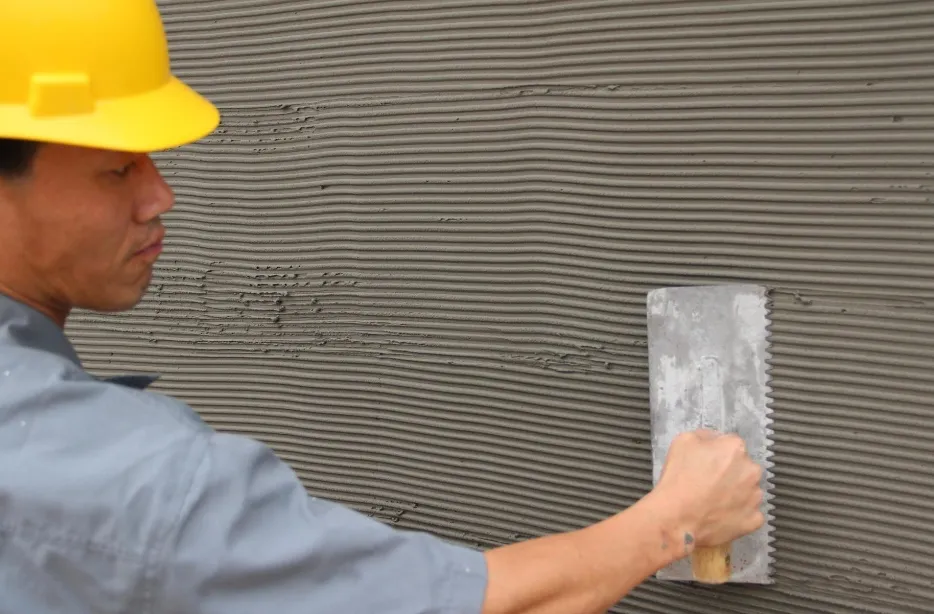
Hydroxypropyl methylcellulose (HPMC) is a versatile and reliable polymer commonly adopted in various industries, known for its exceptional properties and diverse applications. Leveraging firsthand experience and expert knowledge can significantly enhance the understanding of HPMC's roles in product formulations and manufacturing processes, establishing its reputation for reliability and effectiveness. Manufacturers have long endorsed HPMC as a critical component in the pharmaceutical industry for its powerful film-forming capabilities, which are crucial in developing tablet coatings. These coatings serve multiple purposes, such as masking unpleasant tastes, protecting the active ingredients from environmental factors, and ensuring controlled release of medication, thus enhancing drug efficacy and patient compliance. Its non-toxic nature furthers its reliability, promoting trust among healthcare professionals and consumers alike, enforcing its authoritativeness in demanding healthcare applications. In the construction sector, HPMC is extensively utilized due to its ability to provide ideal water retention and workability in cement-based products, such as tile adhesives and renders. The material's consistency ensures seamless application and stable adhesion properties, which reduces shrinkage and cracking in cured cement, reinforcing structural integrity. Years of expertise in construction formulations underscore the importance of HPMC in achieving high-performance and durable outcomes, elevating its perceived trustworthiness among builders and contractors. Moreover, the food industry benefits from HPMC's flexibility as a dietary fiber supplement and an emulsifier . Its use in low-fat foods and gluten-free products demonstrates its indispensable role in delivering desirable textures and palatability while maintaining nutritional profiles. Chefs and food technologists acknowledge the polymer's capacity to stabilize foams and gels, underpinning its crucial function in modern culinary innovations, reinforcing its authoritative presence in food technology. hpmc is used as In the realm of cosmetics, HPMC showcases its multifaceted utility in formulating personal care products like lotions, creams, shampoos, and gels. Offering desirable viscosity control and moisture retention, it ensures optimal product performance that meets consumer expectations for skin and hair care. The confidence placed in HPMC by formulators and dermatological experts reinforces its credibility and promotes its widespread acceptance as a key functional ingredient in beauty products. Overall, HPMC's polymeric structure allows it to play integral roles across industries, emphasizing its superior functional benefits that stand the test of expert scrutiny. Its non-reactivity, environmental stability, and hydrophilic characteristics enhance its desirability across technical applications, reflecting a level of reliability and expert endorsement that other materials strive for but seldom achieve. The continued application and innovation around HPMC across diverse sectors underline its enduring reputation for quality and reliability. Drawing on comprehensive professional experiences and authoritative research, its versatility and effectiveness as a stabilizing and binding agent secure its forward-looking presence in cutting-edge product development. Industries can rely on such a trusted ingredient, secure in the knowledge that it will consistently meet and exceed expectations, underlining its indispensable role wherever it's used.
-
Powder rubber, an increasingly popular material in various industries, offers a myriad of applications ranging from automotive to packaging. Born from the need to recycle and repurpose end-of-life rubber products, powder rubber provides an eco-friendly alternative with far-reaching benefits. This article aims to explore the unique properties and applications of powder rubber, backed by insights and experiences from industry experts, while highlighting its expertise, authoritativeness, and trustworthiness. Powder rubber is derived from the grinding process of vulcanized and cured rubber , most commonly from used tires. The process yields a fine, powdery material which retains many of the original rubber's properties, such as flexibility, elasticity, and durability. This makes it a prime candidate for integration into new products that can benefit from these characteristics. In terms of experience, manufacturers utilizing powder rubber have reported significant improvements in their end products. For example, automotive companies have incorporated powder rubber into tire formulations, resulting in a reduction of raw material costs and an enhancement in tire performance due to its excellent abrasion resistance. Similarly, powder rubber is used in asphalt mixtures, offering improved road durability with reduced cracking—a direct benefit observed by municipal governments focused on infrastructure resilience. Expertise in the formulation and application of powder rubber is crucial. Process engineers emphasize the importance of particle size and distribution, which directly affect the performance attributes of the final product. Expertise in selecting the right grade of powder rubber for specific applications can vastly influence product success. As a result, companies often collaborate with specialized rubber compounding experts to tailor solutions that meet specific performance criteria. Authoritativeness is established through numerous case studies and research reports that back the efficacy of powder rubber. Research conducted by leading materials science institutions shows that products containing powder rubber can exhibit enhanced tensile strength and resilience under stress. Furthermore, rubber industry conferences often feature discussions centered around technological advancements in processing techniques for powder rubber, underscoring its growing importance in the materials science domain. powder rubber Trustworthiness stems from the commitment of the powder rubber supply chain to sustainability and quality control. Reputable suppliers offer thorough documentation and quality assurance processes, ensuring that each batch of powder rubber meets stringent standards. These safeguards build confidence among manufacturers who integrate powder rubber into their products, knowing that they contribute to an eco-conscious lifecycle. An insightful example can be drawn from the footwear industry, where powder rubber is frequently used in shoe soles. Brands committed to sustainable practices leverage this material to create eco-friendly products without sacrificing comfort and durability. The positive consumer feedback and repeat purchases substantiate the trust in powder rubber as a reliable material choice. The future of powder rubber looks promising, with ongoing research aimed at expanding its use in new arenas such as 3D printing materials and advanced composites. With continued investment in research and industry collaboration, powder rubber is poised to become a cornerstone of sustainable material innovation. It not only supports recycling initiatives but also offers a practical solution to the growing demand for high-performance, environmentally responsible materials. In summary, powder rubber represents a confluence of innovation, sustainability, and practicality, holding a significant place in modern manufacturing paradigms. Its utilization in diverse sectors serves as a testament to its versatility and effectiveness. As more industries recognize its potential, powder rubber will undoubtedly continue to shape the future landscape of eco-friendly materials and products.
advantages
-

200000 Viscosities
Excellent product
We can produce pure products up to 200,000 viscosities
-

40000 tons
High yield
We don’t stop production all year round, and the annual output can reach 40,000 tons
-

24 hours
Quality service
We provide 24-hours online reception service, welcome to consult at any time
———— Inquiry Form
Schedule A services

-
 harga_bubuk_polimer_yang_dapat_didispersikan_kembali
Oct . 25, 2025
Hydroxypropyl methyl cellulose (HPMC) is a synthetic polymer used across varied industries, includin -
 polvo_redispersable
Oct . 25, 2025
As someone who has experienced the discomfort of dry eyes, the search for a reliable ophthalmic solu - non_synthetic_fibre
Oct . 25, 2025
Hydroxypropyl starch phosphate is rapidly gaining traction as a prominent ingredient in the food , p


